
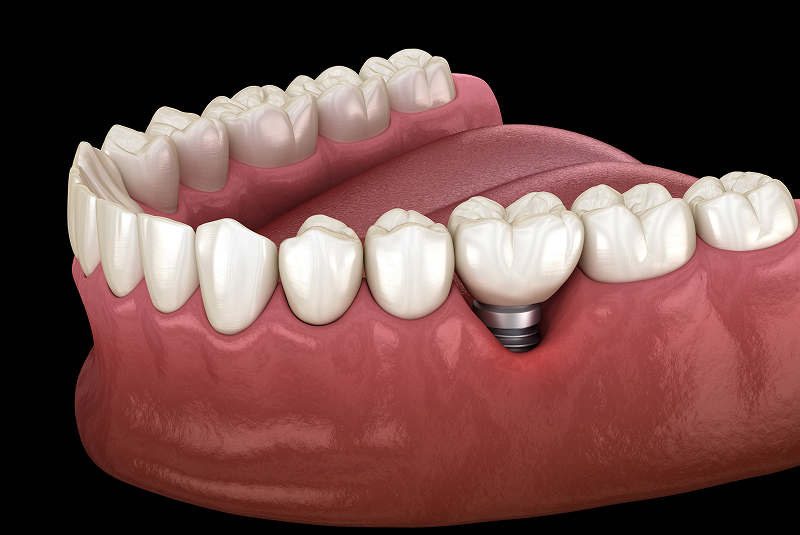
If you have noticed something off around one of your dental implants, whether it is soreness, swelling, or a sense that something has shifted, it is important not to wait. Peri-implantitis, the infection that threatens implant health, progresses over time and can result in implant loss if left untreated. But removal is not always the only answer.
At Linrose Dental in Saratoga Springs, UT, we offer LAPIP, which stands for Laser-Assisted Peri-Implantitis Protocol, a clinically proven, minimally invasive laser treatment designed to eliminate the infection surrounding a struggling implant and give it the best possible chance at long-term survival. When saving an implant is a realistic option, we believe it is almost always worth pursuing.
Peri-implantitis is an inflammatory infection that develops in the gum tissue and bone surrounding a dental implant. Caused by bacterial buildup, it can lead to progressive bone loss, tissue breakdown, and eventual implant failure if not addressed. What makes it particularly challenging is that early-stage symptoms can be subtle, which is one reason routine monitoring of implant health matters so much.
Common signs of peri-implantitis include:
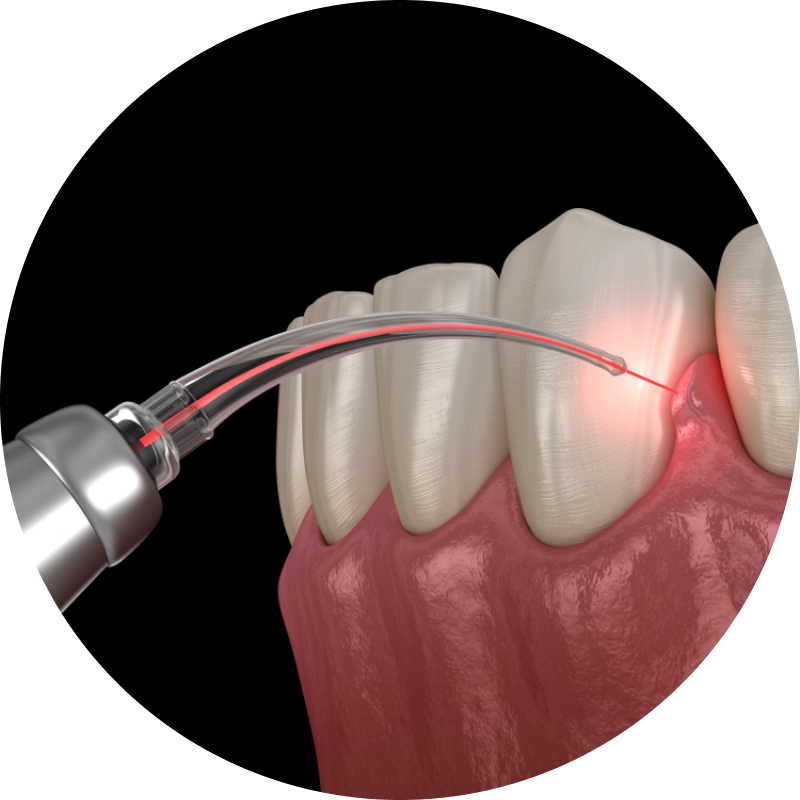
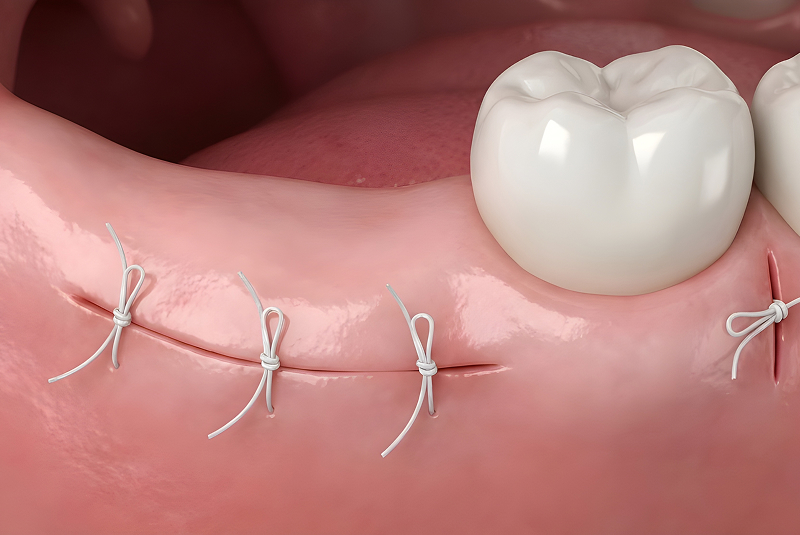
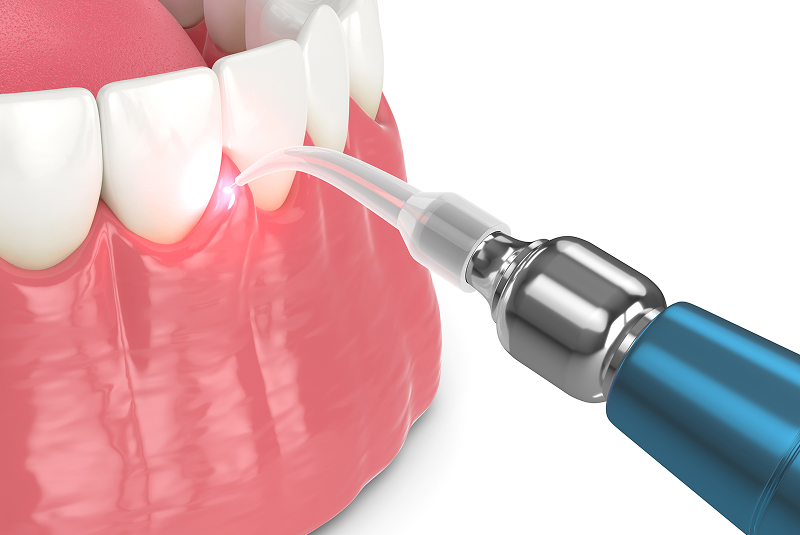
LAPIP uses a specialized laser wavelength to precisely target and eliminate the harmful bacteria and infected tissue surrounding the implant post, while leaving all healthy surrounding tissue completely undisturbed. Unlike traditional surgical approaches that require incisions and sutures, LAPIP achieves its goals through a far less invasive process.
The laser energy also activates the body’s own healing response, encouraging bone and gum tissue to regenerate and reattach around the implant. The result is a cleaner, healthier implant environment with significantly less trauma, bleeding, and recovery time than conventional surgery would require.

Before recommending LAPIP, we conduct a complete evaluation of the affected implant, including advanced digital imaging to assess the degree of bone loss and tissue involvement. This gives us a detailed picture of what we are working with and allows us to provide you with an honest, realistic outlook on what LAPIP can accomplish in your specific situation. We will never recommend treatment that is not in your best interest.
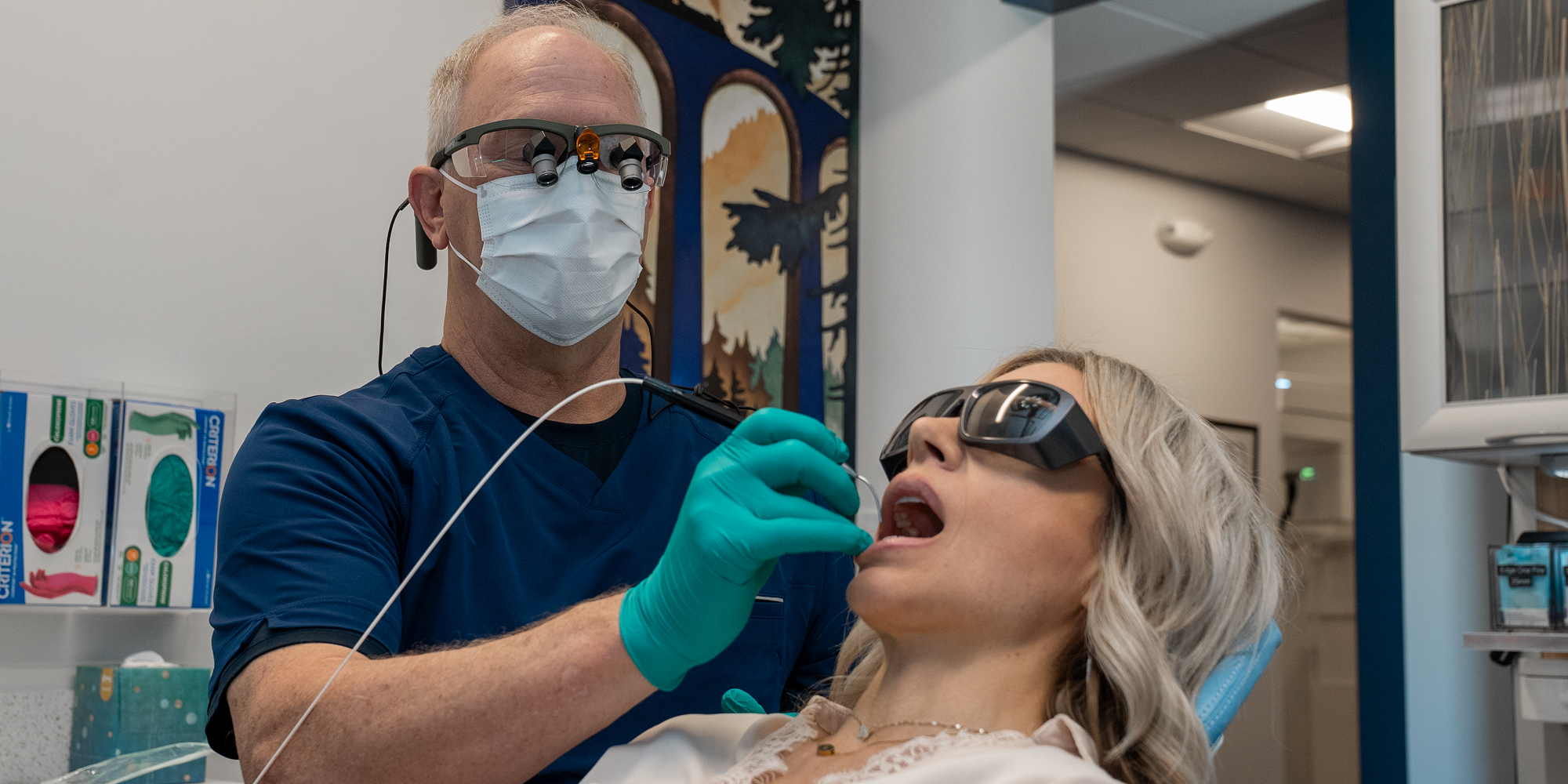
Treatment is performed right here at Linrose Dental and typically requires no incisions or sutures. The laser is carefully guided around the implant site to remove infected tissue and bacteria, thoroughly decontaminate the implant surface, and create the right conditions for healthy tissue regeneration. Most patients find the experience considerably more comfortable than they anticipated.
Because LAPIP is minimally invasive, recovery is much smoother than after traditional implant surgery. Some mild tenderness in the treated area is normal in the days following the procedure and typically resolves quickly. We will provide detailed post-treatment instructions and schedule follow-up appointments to monitor your healing progress and confirm the implant is stabilizing as planned.
Long-term success after LAPIP depends on consistent follow-up care and strong oral hygiene at home. We will build a personalized maintenance schedule to keep your treated implant healthy and catch any early signs of recurrence before they can progress.
LAPIP is an excellent option for patients who have been diagnosed with peri-implantitis or who are noticing early warning signs of implant trouble. Good candidates are those whose implant structure is still sufficiently intact to make saving it a worthwhile goal, and who are prepared to maintain the follow-up care and oral hygiene habits that support lasting success after treatment. LAPIP may be right for you if you:
Successfully treating peri-implantitis is not routine. It requires a provider with deep expertise in both implant care and periodontal health, as well as the clinical precision to deliver laser treatment effectively. At Linrose Dental, we have invested in the technology and the training to manage these cases with the thoroughness they demand.
We also welcome patients whose implants were placed at other practices. Regardless of where your implant came from, our commitment to your care is the same. When your implant is at risk, you deserve experienced, honest, detail-oriented support in your corner.
Most patients are pleasantly surprised by how manageable the procedure is. Local anesthesia is used throughout, and additional sedation options are available for patients who prefer more ease. Post-treatment soreness is typically mild and resolves within a few days without prescription medication.
The number of sessions depends on the severity of the infection and how well the implant responds to initial treatment. Many patients see significant improvement after a single visit, though we will recommend a follow-up schedule based on your individual healing progress.
Not in every case. If bone loss is too advanced or the implant is too compromised to reasonably save, removal and replacement may ultimately be the better long-term solution. We will always give you an honest assessment of what is realistic before recommending any course of treatment.
In many cases, yes. Consistent oral hygiene, regular professional cleanings, and routine monitoring are the most effective tools for detecting and treating peri-implantitis in its earliest stages, before it has a chance to progress. A strong maintenance routine is your best protection.