
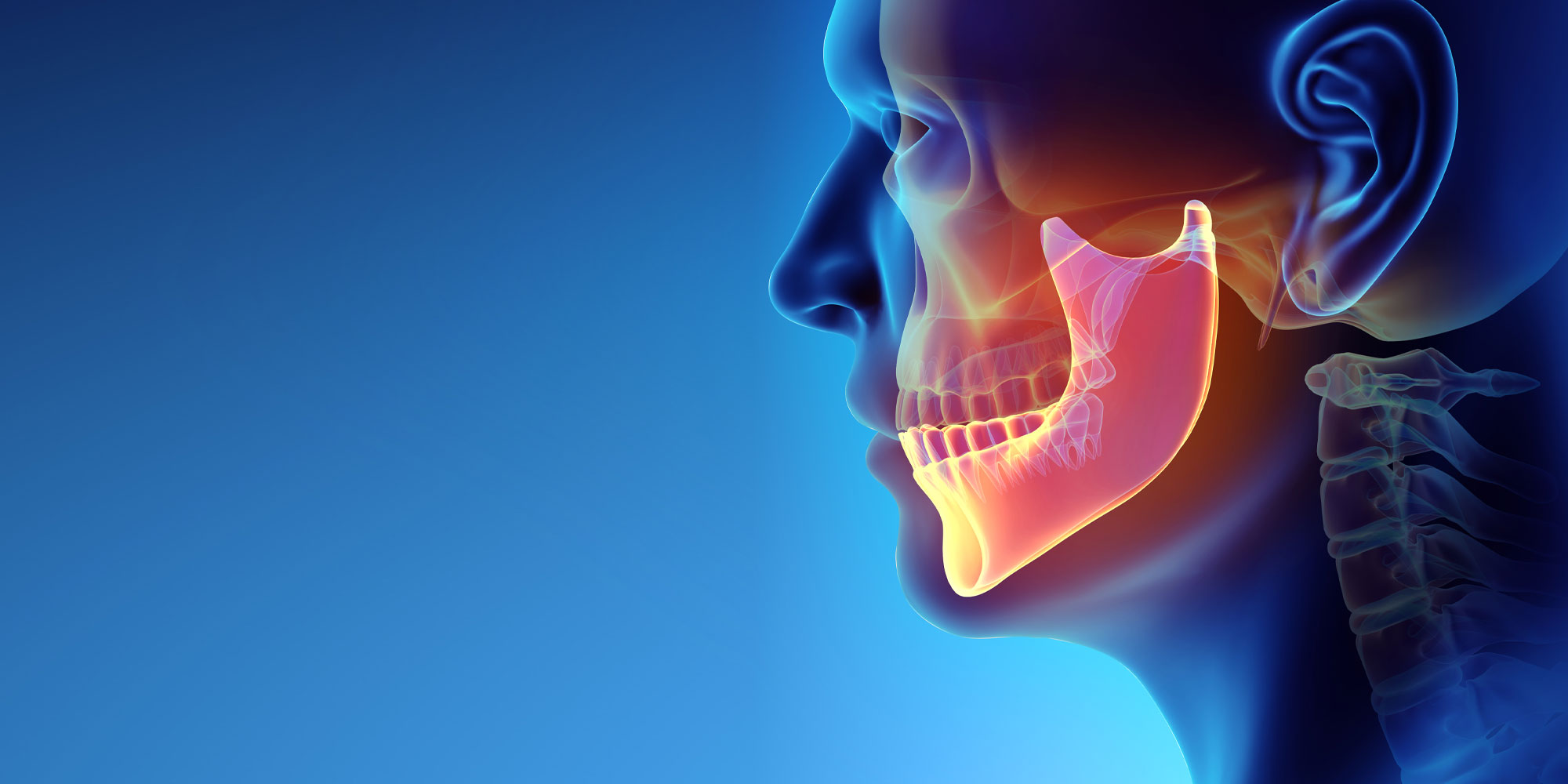
If you wake up with a sore jaw, hear clicking or popping when you chew, or deal with chronic headaches that never seem to have a clear cause, your temporomandibular joint may be at the root of it. TMJ disorder, often referred to as TMD, is a condition affecting the joints that connect your lower jaw to your skull, and it can make everyday activities like eating, speaking, and even yawning genuinely uncomfortable.
At Linrose Dental in Saratoga Springs, UT, we take TMJ concerns seriously. Dr. Brent Bell carefully evaluates each patient, identifies the underlying factors contributing to their discomfort, and recommends treatment that addresses the actual cause rather than simply managing symptoms.
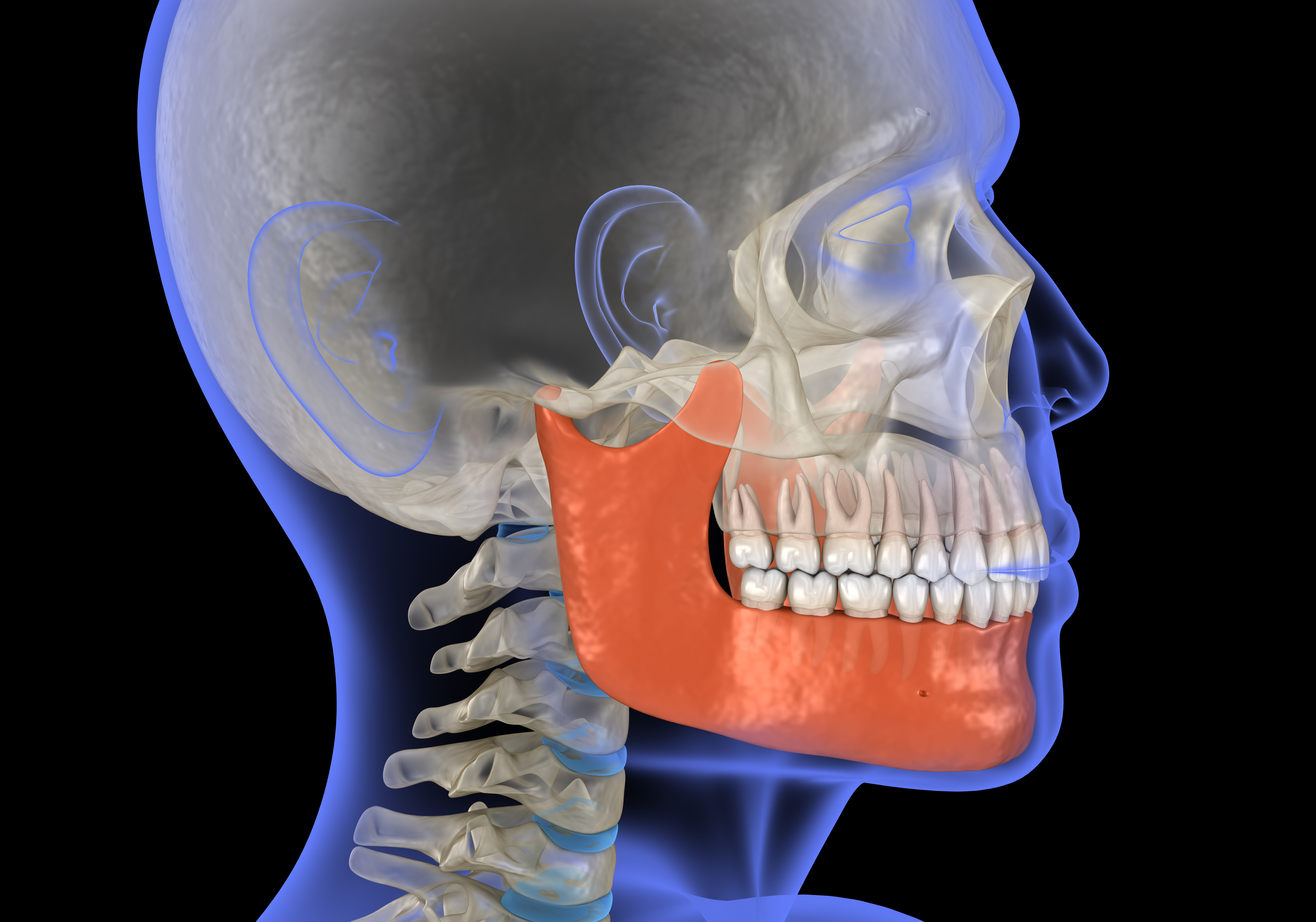

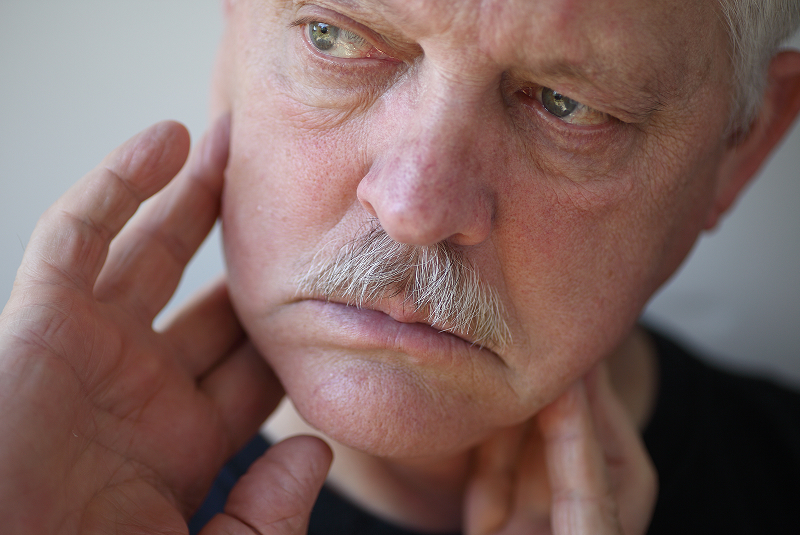
Neurotoxin injections help relax overactive jaw muscles that contribute to TMJ pain, clenching, and teeth grinding. Treatment can reduce muscle tension, relieve discomfort, and improve jaw function with little to no downtime.
TMJ Emface is a non-invasive treatment that uses synchronized radiofrequency and HIFES™ (High-Intensity Facial Electrical Stimulation) technology to relax overactive jaw muscles while strengthening surrounding facial muscles. It can help reduce TMJ discomfort, improve muscle balance, and support long-term jaw function—without needles or surgery.
An NTI (Nociceptive Trigeminal Inhibition) appliance is a small, custom-made oral device worn over the front teeth, typically while sleeping. It helps reduce clenching and grinding forces, relieving stress on the jaw joints and muscles while protecting your teeth from excessive wear.

While a proper diagnosis always requires an evaluation at Linrose Dental, these simple checks can give you a better sense of what you may be experiencing:
TMJ disorder rarely resolves on its own, and when left untreated, symptoms tend to worsen over time. Chronic jaw dysfunction can lead to permanent joint damage, accelerated tooth wear, and increasingly limited jaw movement. More significantly, the daily pain and disruption that comes with untreated TMD affects quality of life in ways that extend well beyond the jaw itself.
Dr. Bell’s approach to TMJ treatment is always honest and conservative. We start with the least invasive options that are most likely to help and build from there based on your response. If you have been dealing with unexplained jaw pain, headaches, or facial discomfort, we encourage you to come in for an evaluation. Relief is possible, and it often starts sooner than patients expect.